
Hit by a DoorDash driver in Columbus, Georgia?
Columbus, Georgia · Delivery crashes
Hit by a DoorDash driver in Columbus, Georgia?
If a DoorDash driver injured you in Columbus, Georgia, the driver’s delivery status can affect which insurance applies. DoorDash describes third-party liability coverage in Georgia from acceptance of a delivery request until the order is marked delivered, unassigned or canceled. Coverage depends on the driver’s fault, the applicable policy and the crash-date facts. Simply being online is a different stage.
In this article
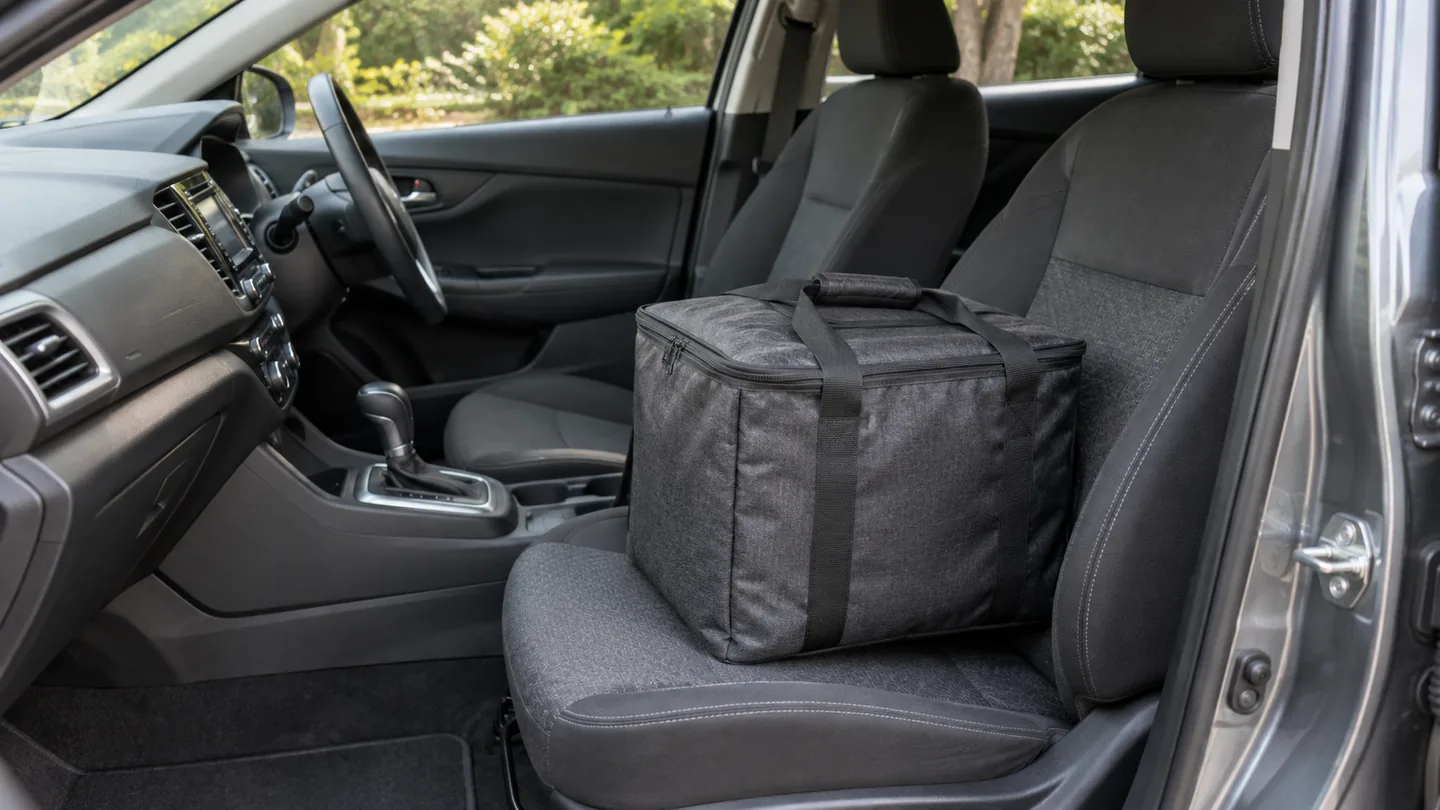
A delivery bag in the other car tells you less than the order history. A driver may be waiting for an offer, traveling to a restaurant after accepting one, or leaving a completed drop-off. Those facts can matter even when the vehicles and injuries look the same.
Which delivery stage matters?
Georgia falls under the “All Other US States” section of DoorDash’s auto-insurance explanation. Its Delivery Service period starts when the driver accepts the request—not when the food reaches the car—and ends when the order is marked delivered, unassigned or canceled. Compare those timestamps with the collision time. The section requires the driver to be liable for the other party’s injuries or damage.
If the driver is online without having accepted a request, that section says the driver’s own auto insurance is primary. The same section does not state a dollar limit. Request the policy applicable to the crash instead of assuming that a limit quoted for another state, another platform or an older policy controls.
This is an insurance inquiry, not a finding that DoorDash caused the collision. A liability policy and the legal responsibility of the company itself are separate questions.
DoorDash · Georgia third-party injury claims
The delivery timeline is an insurance question
-
No accepted delivery request
Logging on alone does not establish the “Delivery Service” period described for Georgia under DoorDash’s general U.S. guidance.
You can preserve the crash time. Identify who holds app activity and personal/business-use policy records.
-
Accepted request → delivery in progress
Investigate the accepted order and whether DoorDash’s described liability coverage and its conditions apply.
Records to identify: acceptance, pickup and route timestamps, order ID and status changes.
-
Delivered, unassigned or canceled
The described period ends when the order reaches one of these statuses. A new accepted order must be checked separately.
Records to identify: completion/cancellation/unassignment time and the next order, if any.
Based on DoorDash’s “All Other US States” guidance, which includes Georgia. This is a status-and-records guide, not a policy or coverage determination. No dollar limit is imported from another state’s section. The driver’s own injuries and vehicle damage are different coverage questions.
Source basis: DoorDash: Understanding auto insurance maintained by DoorDash
What can you preserve without access to the driver’s app?
You do not need the other driver’s order history to start an insurance review. Someone in another car or on foot will often have none of those records. Keep what you have, and explain why you believe the driver was making a delivery. Record the driver’s words accurately; separate what you heard from what you inferred from a bag, sticker or notification.
Get emergency help and appropriate medical evaluation first. When it is safe, preserve the following information. Do not access another person’s account or put yourself at risk to collect evidence.
Swipe or scroll horizontally to read the full table.
| Record | Details to keep | Why it helps |
|---|---|---|
| Driver and vehicle | Name, plate, vehicle photographs, exchanged insurance information and report number. | Identifies the people, vehicle and insurers involved. |
| Collision time and place | Original photos or video, street or intersection, direction of travel and witness contacts. | Provides a timeline and location to compare with delivery records. |
| Delivery information shared with you | The driver’s exact words, messages you received and any voluntarily shared screenshot in its original form. | Identifies a lead without treating an impression as proof. |
| Injuries and claim correspondence | Medical records, bills, work restrictions, missed-work information and insurer letters. | Documents the injury and the coverage questions already raised. |
Records an investigation may need to request
Order IDs, acceptance times, route history and delivery, cancellation or unassignment records may be held by the driver or company. An investigation may need those records to establish the delivery stage. They are not necessarily available through a simple customer-support request, and gathering them is not a prerequisite to contacting a lawyer.
A screenshot taken after the collision may show a later app status. Preserve its timestamp and surrounding messages so it can be compared with the other evidence.
Identify possible video before it disappears
Note nearby business or home cameras, dashcams and witnesses who may have recorded the collision. Save the camera’s location and likely view so preservation can be requested promptly. A camera is a lead, not proof that footage exists or that its view captured the collision.
Which insurance policies need to be checked?
Start with the driver’s policy in force on the crash date, any delivery or commercial endorsement, and any DoorDash policy identified for that date and activity. Your own auto or household coverage may also need review. For a Georgia UM policy, the distinction between added-on and reduced-by coverage can affect the available protection. A declarations page is a useful starting point, but the complete policy and endorsements matter when a carrier relies on an exclusion or a coverage condition.
Report the collision accurately when notifying insurers. Save every claim number, adjuster’s name, written coverage position and request for information. Ask which facts and policy provisions support a denial or a referral to another carrier. A carrier’s initial answer may identify an issue to investigate; it does not substitute for reading the policy.
DoorDash’s official page links to its accident-reporting form. Keep a copy of anything submitted and any response. Reporting an accident to a platform is different from filing a lawsuit, and it does not by itself preserve a legal deadline.
What if the delivery crossed the state line?
A route between Columbus and Phenix City can put the order and collision in different states. Save the precise collision location and the entire order timeline. The state selected in an app, the driver’s home address and the restaurant’s address do not independently resolve the law governing an Alabama collision. The law governing fault and the law governing an insurance contract may require separate analysis.
This guide addresses a person injured by a delivery driver. A Dasher seeking payment for their own injuries or their own vehicle needs a different analysis. Passenger rideshare is a different category: its insurance requirements should not be applied automatically to food delivery merely because both services use an app.
Check releases and filing deadlines
Before signing a settlement or release, understand which injuries, people and claims it covers. Property damage and bodily injury may be handled separately, but the wording of the actual release controls.
Georgia’s general personal-injury limitation is two years, but the appropriate deadline and any separate notice requirement depend on the claim. Do not use negotiations, a platform report or a pending citation as a reason to delay. Digital records and video can become harder to obtain well before a filing deadline.
Questions people ask after a delivery-driver crash
Can insurance matter before the driver picks up the food?
Yes. Compare the request-acceptance time with the collision time. Food being in the car is not the only relevant fact.
What if the driver says they were using more than one app?
Record the platforms named and preserve the exact statement. Each platform’s records and each applicable policy need their own review; one app’s status does not establish another app’s coverage.
Do I need a complete order history before contacting Bodewell?
No. Bring the crash location, driver and vehicle information, report number, photographs and insurance correspondence you have. Bodewell can review the available evidence and identify the next records to request. Ask Bodewell to review your Columbus delivery-driver crash.
Sources and further reading
Opening image: AI-generated illustration of a generic scene, not a Bodewell client, actual case or identified location.
General information only: This page is not legal advice and does not create an attorney-client relationship. Deadlines, damages, defendants, and state-law rules depend on the facts. Read our full disclaimer before sending information.
No representation is made that the quality of legal services to be performed is greater than the quality of legal services performed by other lawyers.