
Do traffic cameras record crashes in Columbus, Georgia? What 511GA does and where else to look
Do traffic cameras record crashes in Columbus, Georgia? What 511GA does and where else to look
Georgia’s 511GA traffic cameras do not record crashes. The official 511GA FAQ says its cameras do not record and video footage from them is unavailable. That answer is specific to 511GA. A different public device, nearby business or home camera, fleet vehicle, dashcam or witness phone may have recorded something. Each is a separate lead with a different owner, view and retention practice. 511GA FAQ
The useful question is not simply whether a camera was nearby. It is which device may have seen the collision, who controls it and what time and direction matter.
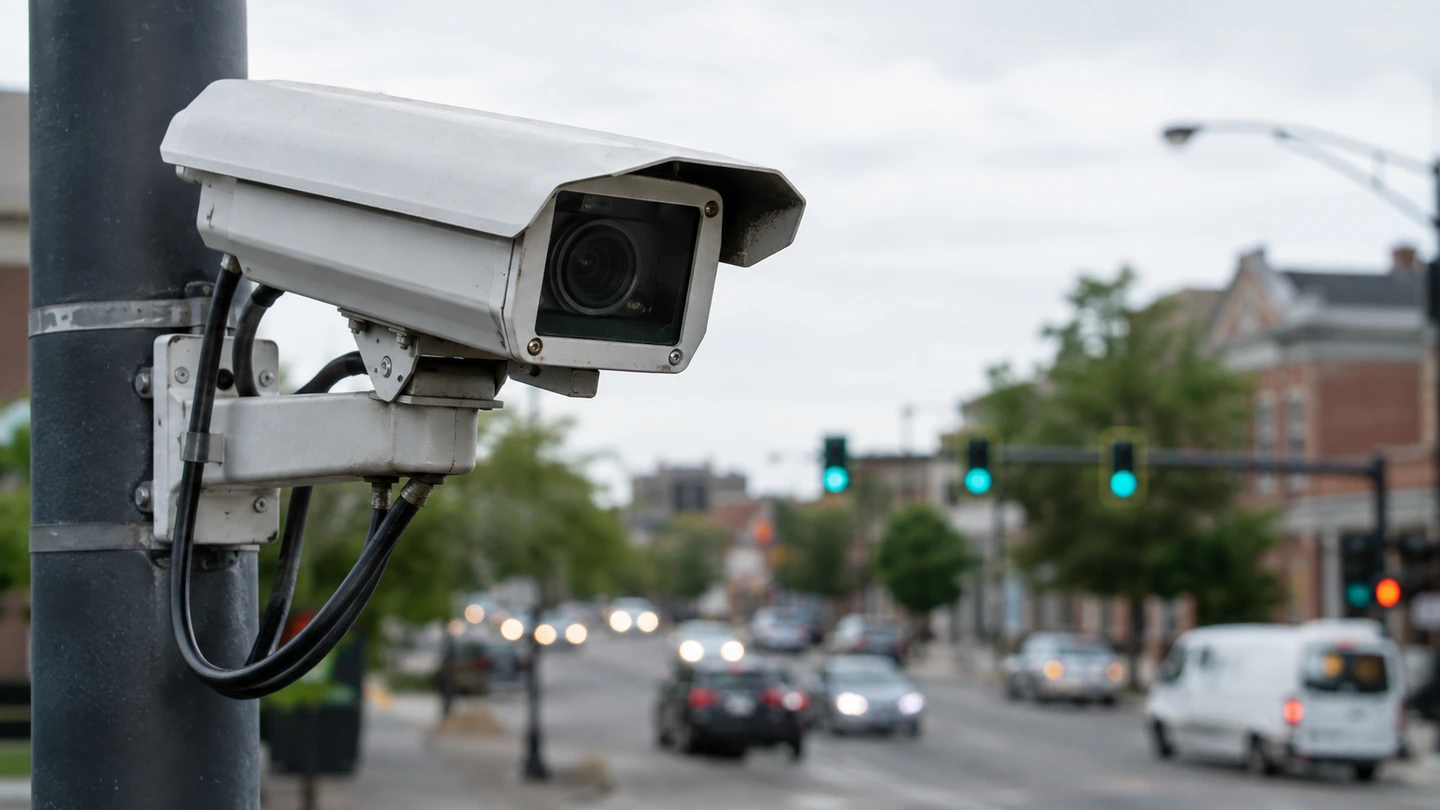
Who may control a camera near the crash?
Swipe or scroll to see all columns →
| Possible source | Likely controller | Details that make the lead useful | What not to assume |
|---|---|---|---|
| 511GA traffic camera | 511GA or GDOT | Corridor and camera location | 511GA says its cameras do not record. |
| Other public device | The agency responsible for that device | Intersection, pole markings, agency name and device type | A public device is not automatically a recording camera or an available public record. |
| Business or home camera | Property owner, tenant or security provider | Address, entrance or roadway view and exact time window | A visible camera may be off, pointed elsewhere or set to overwrite files. |
| Bus, delivery or fleet vehicle | Vehicle owner, operator or system provider | Company, vehicle number, route, plate and location | Onboard video may not exist or may not cover the relevant side. |
| Driver, passenger or witness device | The person or organization that owns the device | Original file, device and person who made the recording | A clip may show only the impact or aftermath. |
A visible camera is a lead to check.

511GA says these cameras do not record.

Identify the address, controller and view.

Identify the operator, vehicle and time.

Identify the person and original file.

Verify the device type and responsible agency.
What does a useful camera lead look like?
Consider a hypothetical crash at a Columbus intersection at about 5:20 p.m. Someone remembers seeing a camera near one approach and a marked fleet vehicle stopped nearby. That does not establish that either device recorded the crash. It does identify two leads to test: the fixed device and the fleet vehicle. The intersection, time window, travel directions, visible markings and likely controllers make those leads more useful than a general statement that cameras were nearby.
This example does not describe actual cameras at a Columbus intersection or an actual Bodewell matter.
One camera-lead checklist
After addressing injuries and immediate safety, collect what you can without entering traffic, trespassing or trying to access someone else’s device or account:
- Record the date, approximate time and exact intersection or road segment.
- Note each vehicle’s direction of travel and lane, to the extent you know them.
- Photograph a visible device from a safe place and note where it was mounted and which way it appeared to face.
- Record the nearest address, business, agency marking, vehicle number, route or plate that may identify the controller.
- List willing witnesses and their contact information.
- Save the responding agency and report number.
- Keep original photos, messages and video files in your possession. Label every ownership or recording assumption as unconfirmed.
Preserve the original file and context when possible. A cropped screenshot or social-media copy may omit timing, image quality or other information that helps explain what the recording shows.
How can the crash report help?
A crash report can help identify the event, responding agency, vehicles and people involved. It does not prove that video exists.
For a collision handled by the Columbus Police Department, the department lists online accident-report access through BuyCrash and in-person pickup through Desk Services at the Public Safety Building. Confirm which agency handled the crash before using that route. Columbus Police report instructions
What if there is no video, or the clip is incomplete?
A missing recording does not answer who caused the crash. Witness accounts, vehicle damage, scene photographs, vehicle data and other available records may still help reconstruct what happened.
A recording also has limits. It may begin too late, end too soon, show only one approach or use a clock that does not match another source. The image should be compared with the rest of the evidence rather than treated as the entire event.
How Bodewell approaches a missing-recording question
At Bodewell, we investigate early, build the record carefully and prepare for the questions that disputed injury claims can raise. For a Columbus crash, that means identifying the source, controller, time window and view before deciding what a possible recording can prove.
You do not need to finish collecting every record before contacting the firm. If you were injured in a Columbus collision and have questions about missing or conflicting evidence, contact Bodewell to tell us what happened and discuss what information may matter next.
Sources and further reading
General information only: This page is not legal advice and does not create an attorney-client relationship. Deadlines, damages, defendants, and state-law rules depend on the facts. Read our full disclaimer before sending information.
No representation is made that the quality of legal services to be performed is greater than the quality of legal services performed by other lawyers.