
Brendan Sorsby Injunction: What the NCAA Gambling Ruling Could Mean Beyond College Sports
Legal Commentary
The Brendan Sorsby injunction raises a larger question than whether one quarterback can keep playing. It asks what happens when courts prevent institutions from enforcing rules designed to protect competition, accountability, and the people affected by misconduct.
The legal fight involving Texas Tech quarterback Brendan Sorsby has drawn attention because it sits at the intersection of college athletics, gambling rules, player eligibility, and judicial intervention. But the issue is broader than sports. When an organization creates rules to protect the integrity of a system, and a court blocks enforcement before the organization can apply those rules, the consequences can reach far beyond one athlete or one season.
That does not mean courts have no role. Injunctions exist for a reason. They can prevent serious harm when a rule is unlawful, arbitrary, discriminatory, or applied in a way that violates someone’s rights. But when courts step in too quickly, they can also weaken accountability and make rule enforcement harder for every institution that depends on standards, deadlines, and consequences.
What Happened in the Brendan Sorsby Injunction?
At the center of the dispute is whether Sorsby should be allowed to continue competing while challenging NCAA enforcement tied to gambling-related eligibility rules. The injunction allows him, at least temporarily, to keep playing while the legal process continues.
That distinction matters. An injunction is not the same thing as a final ruling on the merits. It is a temporary court order. But in the world of college athletics, temporary relief can still have major consequences because eligibility, seasons, rosters, standings, and competitive opportunities move quickly.
By the time a final decision arrives, the disputed season may already be over. That is why eligibility injunctions can effectively decide the practical outcome even when they do not formally decide the legal question.
Why NCAA Gambling Rules Matter
Sports wagering rules are not technicalities. They are meant to protect competitive integrity, public trust, athletes, teams, schools, and fair outcomes. When gambling rules are enforced inconsistently, or when enforcement is blocked without a careful look at the broader system, the message can become unclear.
Rules only work when people believe they will be applied. If players, institutions, and the public begin to think enforcement can be delayed or avoided through emergency litigation, the rule itself may lose force.
This is especially important in an era where legalized sports betting is more visible, more accessible, and more intertwined with sports culture than ever before. The risk is not merely that one athlete receives a benefit. The risk is that the enforcement structure becomes less credible for everyone.
Have Questions About Accountability, Injury, or Institutional Negligence?
Bodewell Injury Group represents people and families across Alabama and Georgia in serious injury, wrongful death, product liability, medical malpractice, and other high-stakes cases.
Alabama: (205) 533-7878
Georgia: (706) 550-9000
The Legal Tension: Hardship, Due Process, and Accountability
Cases like this create a hard legal tension. On one side, an athlete may argue that immediate enforcement causes irreparable harm: missed games, lost opportunities, reputational damage, and consequences that cannot be fully repaired later. On the other side, the NCAA and similar institutions argue that rules must be enforced in real time to protect the integrity of the system.
Courts must balance those interests carefully. If the governing body acted arbitrarily or violated legal rights, court intervention may be justified. But if courts become too willing to pause enforcement whenever the consequences are serious, then serious consequences may stop functioning as consequences at all.
That is the deeper concern. Accountability often hurts. It can cost opportunities, money, reputation, status, and future plans. But the fact that enforcement has consequences does not automatically make enforcement unfair.
Why Rule Enforcement Protects More Than Institutions
It can be tempting to frame this as a dispute between a powerful institution and an individual athlete. Sometimes that framing is appropriate. Institutions can overreach. Rules can be unfair. Processes can be flawed. But rule enforcement also protects people who are not in the courtroom.
In college athletics, enforcement protects teammates, opponents, schools, fans, and athletes who follow the rules even when doing so is inconvenient. In other settings, enforcement protects patients, consumers, workers, investors, residents, and families who depend on safety rules, professional standards, and accountability systems.
That is why Bodewell looks at rule enforcement through a broader lens. Whether the issue is sports governance, corporate safety, medical accountability, financial misconduct, or unsafe property, the question is often the same: what happens when the people or institutions with power are not held to the standards meant to protect others?
A Balanced View on Gambling Addiction and Responsibility
Any serious discussion of gambling-related discipline should acknowledge that gambling addiction is real. Compulsive gambling can cause devastating harm to individuals, families, finances, and communities. People struggling with addiction may need treatment, support, and a path toward recovery.
But recognizing addiction does not eliminate the need for accountability. In many areas of law and public policy, compassion and consequences have to coexist. Addiction may help explain conduct. It may affect how institutions respond. It may shape mitigation, treatment, or future eligibility. But it does not automatically erase the impact of the conduct on everyone else.
The better question is not whether an athlete, employee, professional, or institution deserves compassion. The better question is how to build systems that are fair, humane, and still capable of enforcing meaningful standards.
What This Means Beyond College Sports
The Brendan Sorsby injunction matters because it reflects a larger trend: courts are increasingly asked to intervene in private rule systems before those systems finish their own enforcement process. That can happen in athletics, employment, education, licensing, business disputes, professional discipline, and other regulated environments.
Sometimes that intervention is necessary. Sometimes it protects people from arbitrary or unlawful decisions. But courts should also be careful not to turn temporary relief into a practical override of every rule with real consequences.
If every serious penalty becomes grounds for immediate judicial intervention, rule systems can become harder to administer. Institutions may hesitate to enforce standards. People who followed the rules may feel disadvantaged. Public trust may decline. And the original purpose of the rule may be lost.
Key Takeaways
- The Brendan Sorsby injunction is temporary, but temporary orders can have lasting practical consequences in college sports.
- NCAA gambling rules exist to protect competitive integrity and public trust, not merely to punish individual athletes.
- Courts have an important role when rules are unlawful or unfairly applied, but intervention can weaken enforcement if used too broadly.
- Gambling addiction deserves serious attention, but compassion does not eliminate the need for accountability.
- The broader issue is accountability: how institutions enforce rules while protecting fairness, due process, and the people affected by misconduct.
About the Author
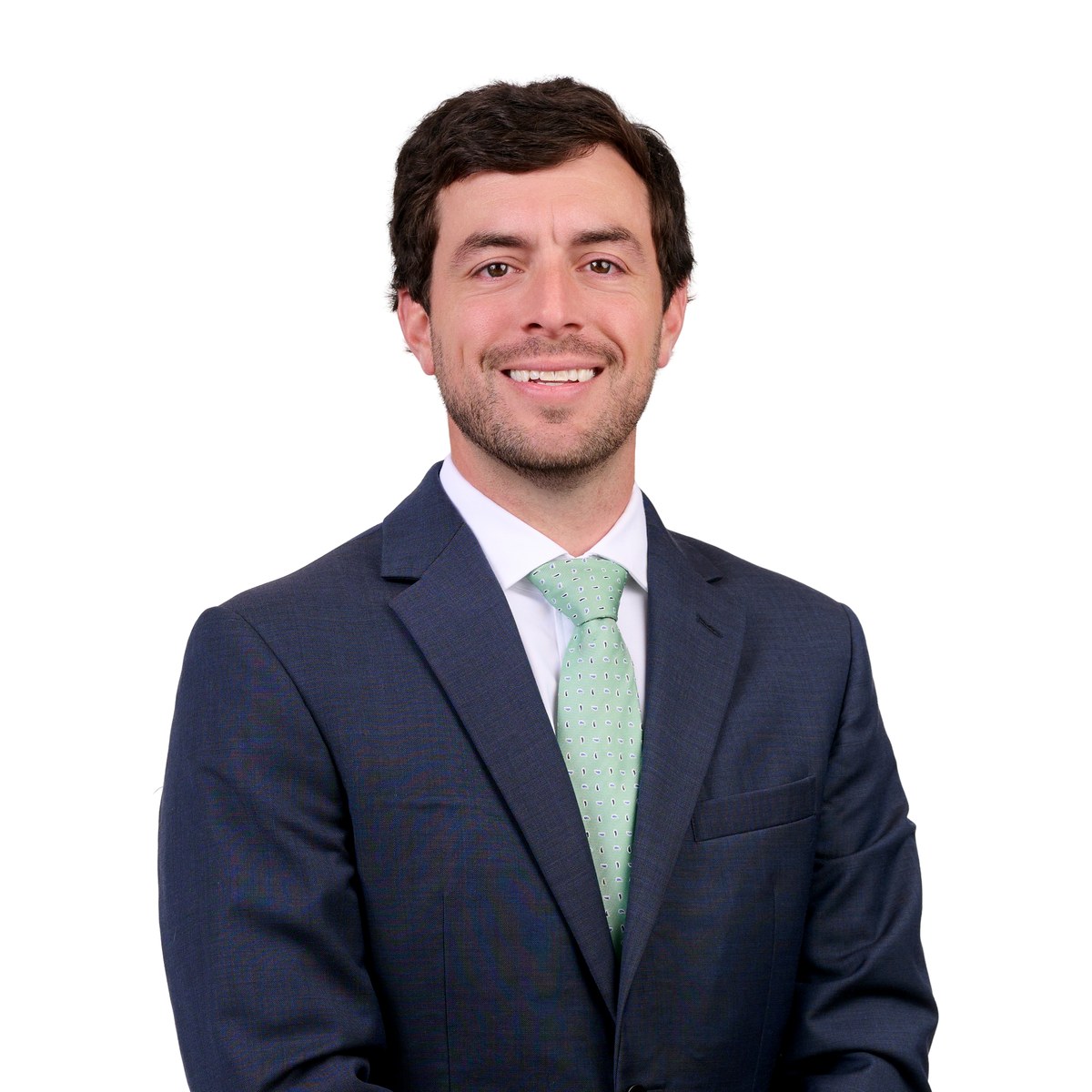
Tyler Pritchard is an attorney at Bodewell Injury Group based in Columbus, Georgia. He represents clients across Georgia and Alabama in serious personal injury matters and brings experience handling claims involving crashes, negligent security, nursing-home abuse, medical malpractice, product defects, and government-liability issues.
Learn more about Tyler on his attorney profile.
Talk With Bodewell Injury Group
Bodewell Injury Group represents individuals and families across Alabama and Georgia in cases involving serious injury, wrongful death, medical negligence, unsafe products, unsafe property, and institutional accountability.
Alabama: (205) 533-7878
Georgia: (706) 550-9000
This article is general commentary only and is not legal advice. Reading it does not create an attorney-client relationship. Every case depends on its own facts, evidence, law, and procedural posture.